Pool Skimmer Leak Detection in Chandler, AZ
The skimmer is one of the most common places for a pool to leak, and one of the easiest to overlook. It sits at the waterline, where the plastic throat meets plaster, tile and deck — a joint that moves, ages and takes sun and chemical exposure every day. When that seal fails, water slips out right at the level you notice first.
Skimmer leak detection is a focused check. A provider connected through AquaTrace Leak Detection in Chandler inspects the skimmer mouth, throat, lid and the pipe below it, dye testing the joints to confirm exactly where water is leaving before any repair is planned.
Book Your Leak Detection Service Now
Call (925) 230-5137 — we will connect you with a local provider who can check your pool.
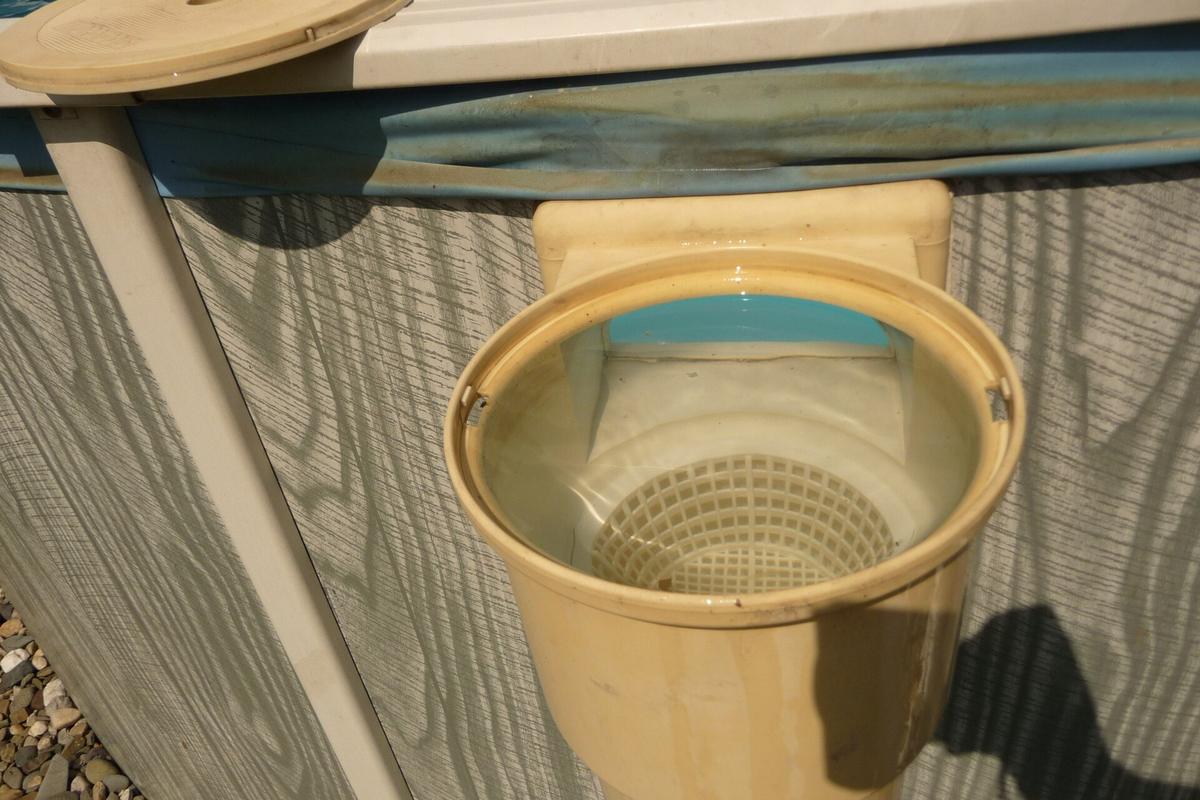
A pool skimmer basket close up at the edge of a swimming pool.
What pool skimmer leak detection involves
The provider checks the water level against the skimmer mouth, looks for cracks in the throat and around the lid, and dye tests the joint where the skimmer meets the pool wall. The line from the skimmer back to the pump is pressure tested if the throat itself is sound. A skimmer that is pulling air — a vortex or gurgling at the mouth — is also a sign the water level or the skimmer seal needs attention.
Detection before repair. A leak has to be found before it can be fixed properly. That is why providers start with checks — bucket test, dye testing, equipment inspection and pressure testing — and only then discuss repair. If you are not sure where the water is going, pool leak diagnosis and inspection is the right first step.
Signs you may need pool skimmer leak detection
- The water level keeps dropping to just below the skimmer mouth and stopping there
- A visible crack in the skimmer throat or around the lid
- The joint where the skimmer meets the pool wall looks open or separated
- Gurgling, a vortex, or air being pulled into the skimmer
- Wet ground or a soft spot in the deck right beside the skimmer
- Debris and dirt collecting around the skimmer mouth
How it works
- 1. Check the waterline. Where the level settles tells a lot about where water is leaving.
- 2. Inspect the throat and joints. Cracks and separation around the skimmer are checked closely.
- 3. Dye test the seal. Dye shows whether water is being drawn out at the skimmer joint.
- 4. Test the skimmer line. If the throat is sound, the pipe back to the pump is pressure tested.
Providers connected through AquaTrace Leak Detection in Chandler, AZ work through these checks in order, so the most common causes are ruled out before the hidden ones are chased. If the leak turns out to be somewhere else — for example in the pool plumbing rather than the shell — the provider can explain that and what it means for the repair.
When to call a professional
Call when the water level keeps settling at the skimmer, when you can see a crack in the throat, or when the skimmer is pulling air. Skimmer leaks are common and often straightforward once found — but left alone, they keep the water level low and let the pump run with air in the system.
Frequently asked questions
Why does the water level stop dropping at the skimmer?
Because the leak is at the skimmer itself. Once the water falls below the leaking joint, no more water can reach it, so the level holds there. That pattern is one of the clearest signs of a skimmer leak.
Can a skimmer leak be fixed without replacing the whole skimmer?
Often, yes — many skimmer leaks are a failed seal or a crack in the throat, which can be repaired. Whether replacement is needed depends on the condition of the skimmer body, and the provider you are connected with can explain the options after the check.
Is a cracked skimmer throat urgent?
It is worth checking promptly. Water escaping at the skimmer can wash out soil under the deck beside the pool, and a low water level can let the pump pull air. A dye test confirms it quickly.
Related pool leak detection services
Not sure which service fits your pool? Start with pool leak detection in Chandler — call (925) 230-5137, describe what you are seeing, and we will connect you with a local provider who can work out what your pool needs.