Pool Shell & Structure Leak Detection in Chandler, AZ
The shell is the pool itself — plaster, tile, steps, benches and the joints where fittings meet the surface. Over time, ground movement, age and water chemistry can open a crack or separate a joint, and water finds the gap. Shell leaks are often slow, which makes them easy to miss until the water bill or the water level makes the problem obvious.
Checking the shell properly means looking at it in the water, not just from the deck. Providers connected through pool leak detection in Chandler, AZ use dye testing at cracks, joints, steps and fittings to see whether water is being drawn out at that exact spot — a clear, visible answer rather than a guess.
Book Your Leak Detection Service Now
Call (925) 230-5137 — we will connect you with a local provider who can check your pool.
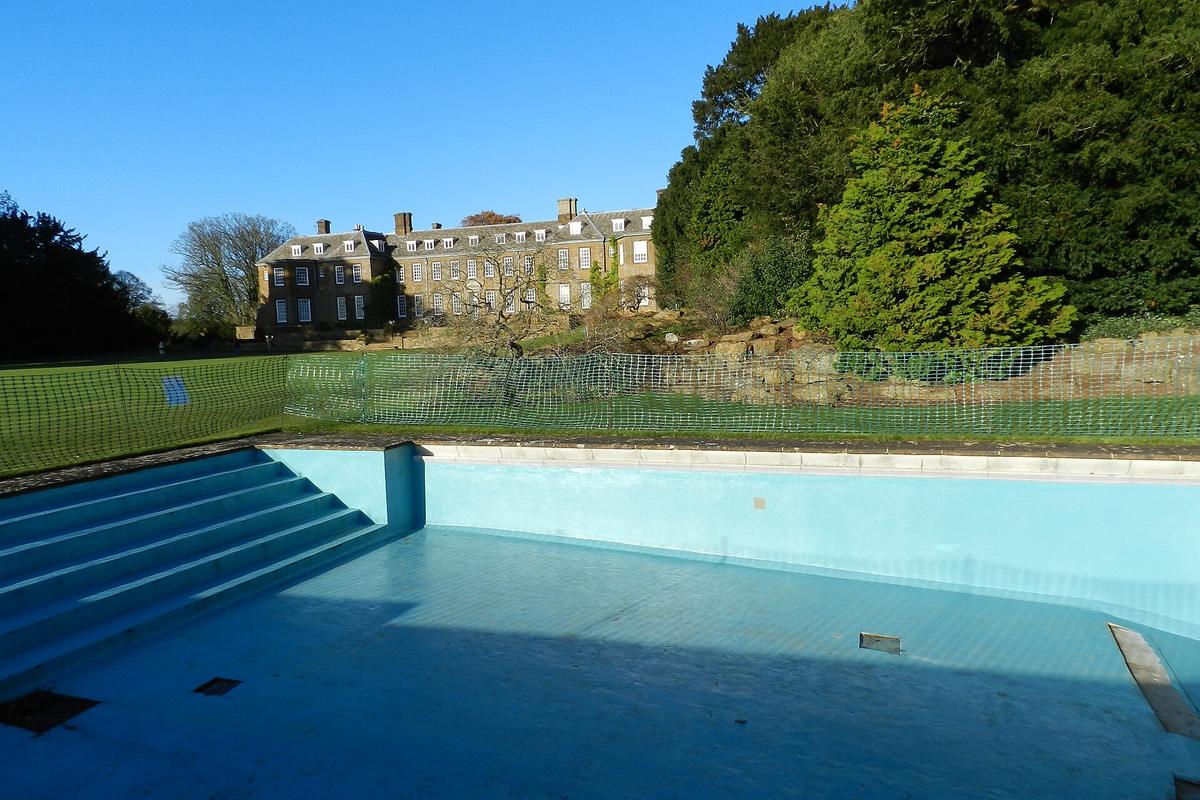
An empty swimming pool showing its shell, steps and surface.
What pool shell & structure leak detection involves
The provider inspects the plaster and tile line for cracks, hollow spots and separation, then dye tests each suspect area underwater: if dye is pulled into a crack or joint, water is leaving there. Steps, benches, the main drain and the joints around lights and returns are checked the same way. Larger structural movement — a crack that keeps growing, or a shell that has shifted — is noted so the repair plan matches the cause, not just the symptom.
Detection before repair. A leak has to be found before it can be fixed properly. That is why providers start with checks — bucket test, dye testing, equipment inspection and pressure testing — and only then discuss repair. If you are not sure where the water is going, pool leak diagnosis and inspection is the right first step.
Signs you may need pool shell & structure leak detection
- A visible crack in the plaster, tile line or steps
- Tiles that are loose, falling or missing along the waterline
- A crack that keeps getting longer or wider
- The pool loses water even with the pump off
- Hollow-sounding plaster when tapped, or plaster flaking away
- Staining or a damp line on the outside of the pool wall where it is visible
How it works
- 1. Visual inspection. The shell, tile line, steps and joints are checked in and out of the water.
- 2. Dye testing. Dye is released at each suspect crack or joint to see if water is being drawn out.
- 3. Check the fittings in the shell. Light niches, returns and the main drain are tested the same way.
- 4. Explain the finding. The provider explains whether the leak is a surface crack, a joint, or a structural issue, and what repair that points to.
Providers connected through AquaTrace Leak Detection in Chandler, AZ work through these checks in order, so the most common causes are ruled out before the hidden ones are chased. If the leak turns out to be somewhere else — for example in the pool plumbing rather than the shell — the provider can explain that and what it means for the repair.
When to call a professional
Call when you can see a crack, loose tile or a joint that has opened up, or when the pool keeps losing water with the pump off — that points to the shell rather than the plumbing. Structural problems are worth a proper look early, because water escaping behind a shell can undermine the ground around it.
Frequently asked questions
Can a small crack in the plaster really leak that much water?
Yes. Even a hairline crack can lose a surprising amount of water over days and weeks, and it can also let water behind the surface, which loosens more plaster and tile around it. Dye testing shows whether a particular crack is actually leaking.
Is a shell leak the same as a plumbing leak?
No. A shell leak is water leaving through the pool's own surface or joints. A plumbing leak is water leaving through a pipe or fitting. The bucket test helps tell them apart: a shell leak usually continues with the pump off, while a plumbing leak often changes with the pump running.
Does the pool need to be drained to check the shell?
Not for dye testing — that is done underwater. Draining is only needed if a repair itself requires a dry surface, and the provider can explain that and the risks of draining before it happens.
Related pool leak detection services
Not sure which service fits your pool? Start with pool leak detection in Chandler — call (925) 230-5137, describe what you are seeing, and we will connect you with a local provider who can work out what your pool needs.